Table of Content
Those who don't use Apple Music, have an Apple TV, or already use an iPhone will find a lot of roadblocks in their way. Unlike Google and Alexa, Siri doesn't allow for multiple users profiles. Smart displays are where Google Assistant really comes into its own, with the latest Google Nest Hub prioritizing something we're all interested in pursuing - better sleep.

Apple HomePod comes equipped with some pretty impressive internals that will allow it to offer 360-degree sound. Under the hood, you'll find a high-excursion woofer with custom amplifier, seven tweeters, six microphones, and more. Like Alexa, Google Assistant uses a cloud to answer your questions. Unlike Alexa, Google Assistant uses natural language processing, which improves reliability. The base of the device is covered in gray fabric, although you can change this using one of the extra bases Google offers. Having a speaker to listen to music is one of the main reasons for buying an Echo.
Google Assistant: who will it suit?
You’ll need to scan the device’s QR code or enter it manually. Because of Apple’s encryption, it’s especially important to make sure the device you choose is HomeKit-compatible. There are plenty of third-party devices that are compatible with Google Assistant. Look at the label for devices that “work with Google.” To sync devices with Google Assistant, make sure they’re both connected to the same WiFi network.
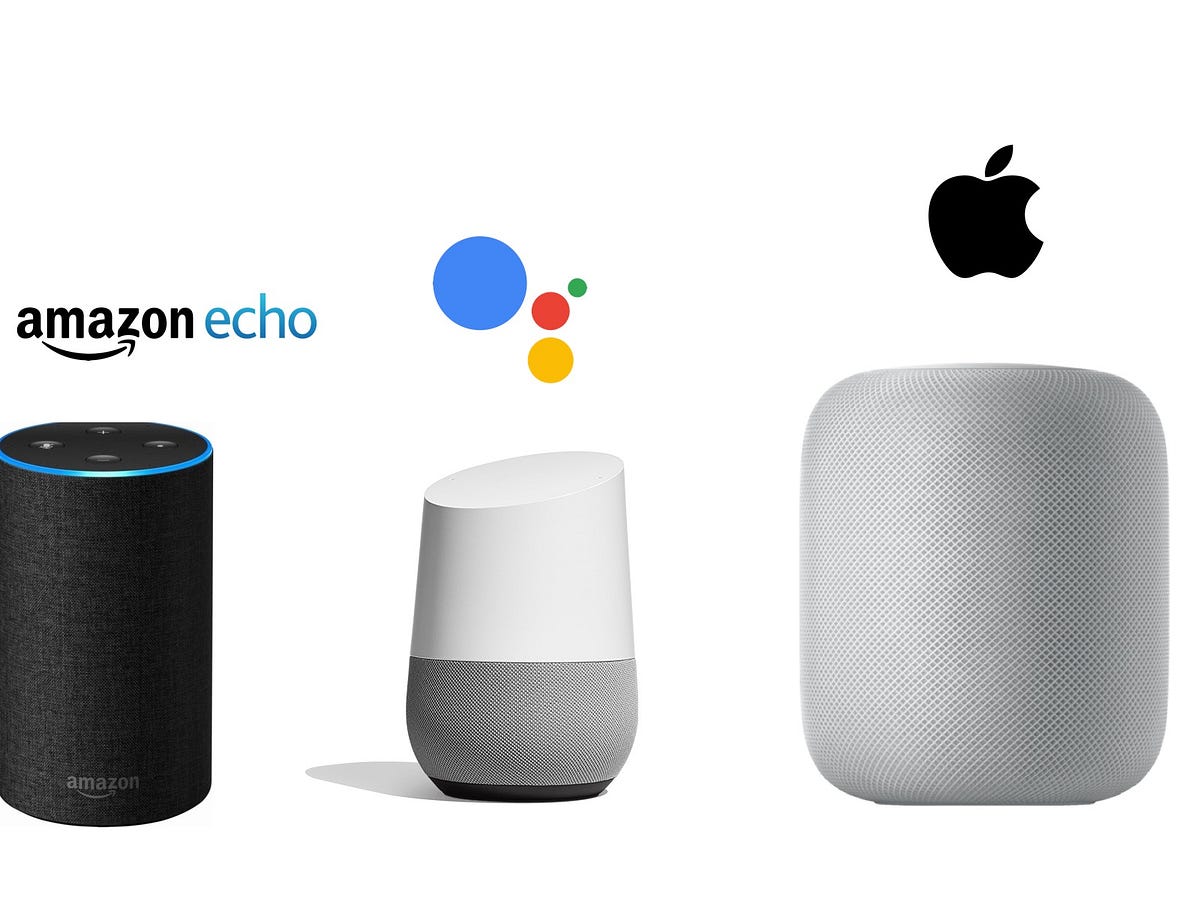
Set automatic feeding schedules for your dog or cat with Smart Feed, which you control through your phone . The HomePod doesn't appear to have Bluetooth, but it will support Apple's new AirPlay 2 standard for streaming Apple Music from your Mac and various iOS devices. While Google Cast works with Android and iOS devices, however, AirPlay is an iOS-only system. Similarly, GoogleHome can understand English, French, German and Japanese, though switching between each language isn’t an automatically recognized feature yet. Google has also mentioned that it plans to support over 30 languages by the end of 2018.
Overall: Amazon Echo
In terms of the ability to understand and answer questions correctly, Google Assistant also leads the pack. In a test conducted byLoup Venturesan investment analysis firm, Google Assistant scored 92.9%, Siri scored 83.1%, and Alexa, 79.8% in questions answered correctly. Our in-house test pitting Alexa against Siri and Google Assistantsaw Google Assistant emerge second-best performer. I don't see support for iDevices, iHome, Leviton, and much more. Why not wait for the Apple voice controlled speaker likely to be introed at WWDC before choosing one.
With local control, you won’t be able to control your devices remotely. For example, if you want to turn OFF your home lights from the office or change the temperature of your smart Thermostats while you’re heading to your home, you just can’t do that. Really, the benefit for in-home connected devices is triggering a common action via voice. Ordering a pizza is a great example – you’re probably not going to want to order 5 different pizzas and list out the toppings and sizes one by one on your Alexa. But, if you have a common order, it’s very convenient to say, “Alexa, tell Domino’s Pizza to order my Friday Night Usual”. Like the Echo and the Home, Apple's HomePod will offer lots of tools to help out around the house -- such as kitchen timers, reminders and calendar integration.
Sound
For example, in the Devialet app, you can adjust latency for A/V and customize bass for Night Mode. It boasts a built-in battery with 2.5 months of autonomy and is rechargeable via an included USB cable. This is compatible with AirPlay 2, Spotify Connect, and Universal Plug and Play.
Because of the years of work that Google has been putting into voice recognition and search, we think Google is slightly better in this category. Smart speakers aren’t just good for controlling your smart home – they’re also great at interacting with the rest of your digital life. For example, you can get information about your upcoming calendar events, order an Uber or a pizza, and so on. Apple’s signature attention to detail is evident in Siri, but the voice assistant is plagued by a slow pace of innovation. Google Assistant is the voice assistant at the center of any Google home ecosystem.
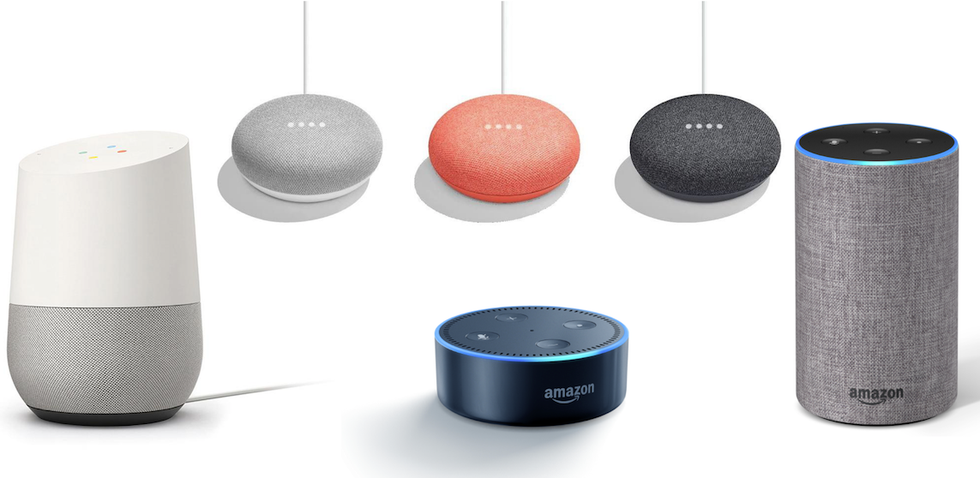
This smart speaker is super practical for your everyday life and is perfect for a smart home or dorm set up. Sonos Move is a Wi-Fi and Bluetooth-enabled smart speaker that can easily be moved from room to room, or even outside for a backyard pool party. It's durable with a shock-resistant case, so you can enjoy its powerful sounds worry-free. That said, Apple Music is doing its best to rival Spotify for music fans with HQ audio, and podcasts, of course, actually originate with the fruit-inspired brand. If you're happy with what Apple has to offer, as well as the design of the HomePod mini, then this is still a solid - though more restrictive - option. There's not a huge amount in it, but Google's products dip a little further into the budget market with products like the Nest Mini - costing under $30.
Many smart home devices will work with multiple platforms, but some won’t – and there are important differences between the platforms, the prices and the products available. Keep in mind all home automation products use bandwidth, so no matter which type of home automation system you choose, it’s important to assess your current connectivity and network speed. Before starting, you will need to make sure the tablet or smartphone you are using is connected to the same WiFi network as your home automation hub. Then there are the devices that are only supported by one or two systems, but not all three. One particular standout there is the Nest range of products, which includes thermostats, security cameras, and so on. There’s also Samsung SmartThings, which works with Google Assistant and Alexa, once again.
It’s guided from the internal driver down to the base of the HomePod, where it's fired outwards to create a more immersive experience. Apple is currently only offering one smart speaker after discontinuing its original HomePod in 2021. Now the Apple HomePod Mini is available for $99 / £99 / AU$149. Of course, Google has an advantage here because of its emphasis on search.
HomeKit has less compatible gadgets available than its competitors, partly because Apple’s encryption has made it closed to developers until recently. The extra encryption is a bonus for those concerned withprivacy, but users report that it can be a headache to set up. Alexa’s “routines” feature makes it easy to automate a flow of actions across devices so they work together. For instance, you can create a group called “upstairs lights” that will turn all the lights on and off simultaneously.
The best smart speaker range for you depends on your preferences, your budget and which devices you own and use already. If you are looking for a high-quality single speaker, this unique smart speaker will truly be music to your ears. Google Nest speakers hold their own as smart hubs, working with compatible Philips Hue light bulbs, smart plugs, and Nest thermostats to automate your home exactly how you like it.
Select Add Device, or the plus "+" button on the top-right corner of the app, to add a new device. You can use Alexa and Google Home or Google Mini under the same roof. The most straightforward way to connect these devices is to have them all under the same command center, which we'll mention later. In the Alexa app, select Add Device or the plus "+" button on the app's top-right corner to add a new device.
It doesn’t understand complicated requests as well as Google Assistant does, and follow-up questions are more difficult to ask without saying “Alexa” before every request. You cannot customize the trigger word outside of a few preset options. It’s worth mentioning that Google also promises not to share your data without your permission. Having said that, this doesn’t apply to third-party devices or apps. Also, since Google is into the advertising business, it can still use your data to target ads. I see this really being beneficial to any industry that offers on-demand services.
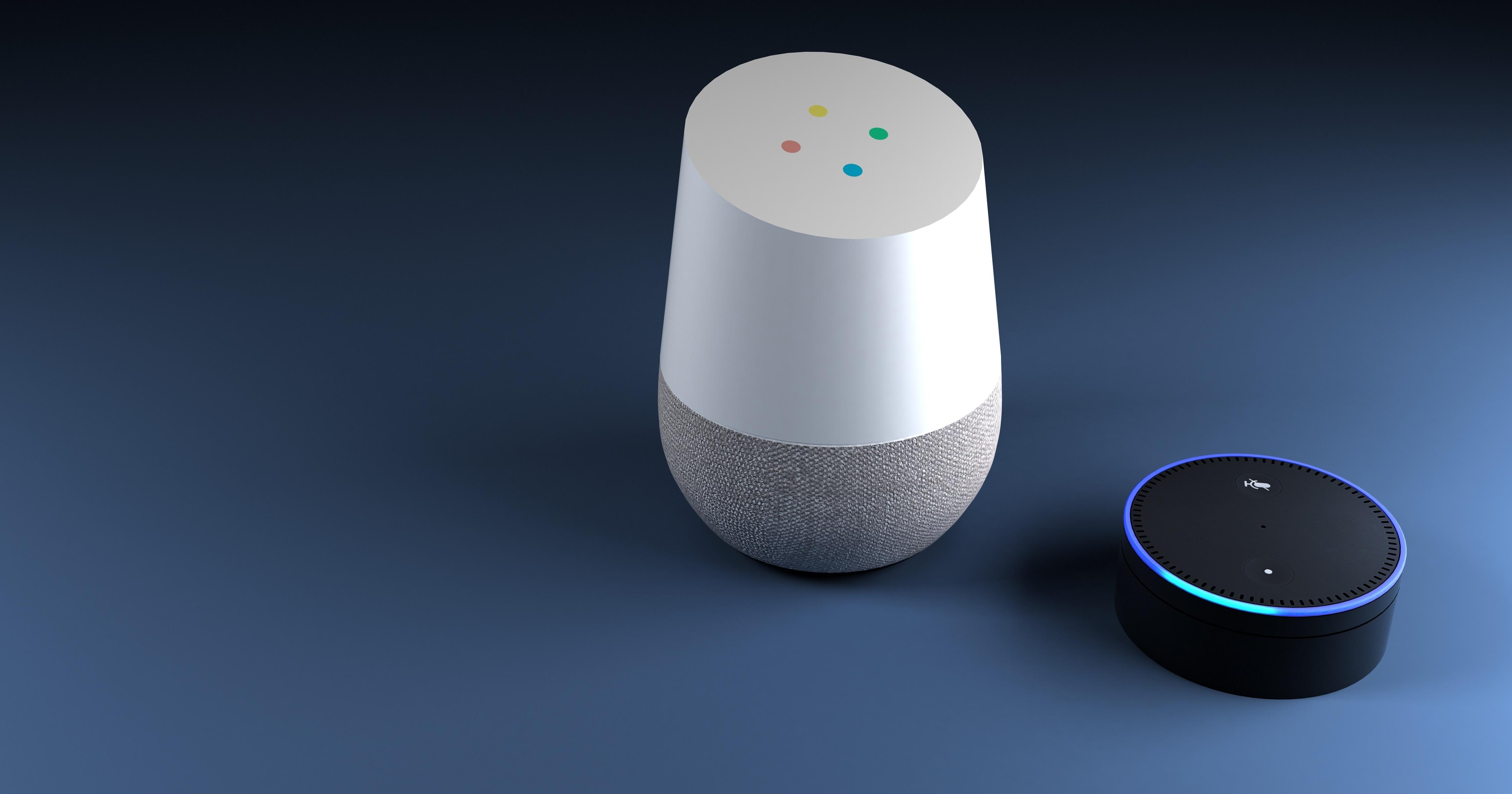
Google Home is a bit smaller at 5.6 by 3.8 inches, and doesn't get quite as loud as the Echo. It produces a very well-rounded sound that should please most listeners, but it won't be enough to fill your living room when you have guests. However, you can use multiple Google Homes together, and you can pair Google Home with a Chromecast Audio ($79.96 at Walmart) and your own speaker system. At most, you can initiate a call on your smartphone and then use your HomePod as a speakerphone for that call. In terms of parental controls, you can disable purchases via Alexa, but the speakers have been known to play explicit content.


No comments:
Post a Comment